




Force Sensors & Load Cells
VPG Force Sensors - Precision Measurement Solutions
 What Are Force Sensors and Load Cells?
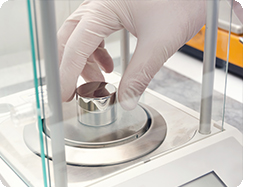
Force sensors and load cells are precision transducers that convert mechanical forces—including weight, tension, compression, and stress—into measurable electrical signals. These signals provide real-time, accurate data for critical applications across manufacturing, healthcare, transportation, and food processing industries.

A load cell is specifically a transducer that detects and measures compressive and tensile forces by using strain gauge technology. When force is applied, the internal strain gauge detects minute changes in resistance, which are converted into electrical signals proportional to the applied force. This enables precise weight and force measurement in scales, weighing platforms, and automated systems.
How Force Sensors Work
Force measurement depends on strain gauge technology—the foundation of modern load cells. Here's how the process works:

Force Application
When weight or force is applied to the load cell, the internal spring element (typically steel or aluminum) deforms slightly but measurably.

Strain Detection
Bonded strain gauges attached to the spring element detect this deformation and measure changes in electrical resistance with extreme precision.

Signal Conversion
A Wheatstone bridge circuit converts resistance changes into a proportional electrical signal—typically in millivolts—that directly correlates to applied force.

Signal Processing
Electronic indicators or control systems amplify and process the signal, displaying weight or force data in real-time for monitoring and decision-making.
This design enables load cells to achieve accuracies within 0.1% of applied load while remaining highly durable and repeatable across millions of measurement cycles. VPG Force Sensors uses advanced strain gauge technology to deliver industry-leading performance in the harshest environments.
Types of Force Sensors and Load Cells
Different applications demand different load cell designs. VPG Force Sensors manufactures the full spectrum of load cell types, each optimized for specific measurement scenarios:
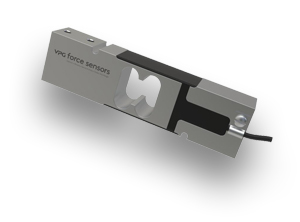 Single-Point Load Cells
Designed for retail and compact scales. These load cells measure force at a single point, making them ideal for platform scales up to 40 kg capacity. Known for precise tolerances and ease of installation.
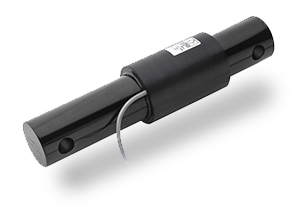 Bending Beam Load Cells
Used in industrial weighing platforms and specialized machinery. Bending beams provide excellent stability and are engineered for reliable performance in continuous production environments.
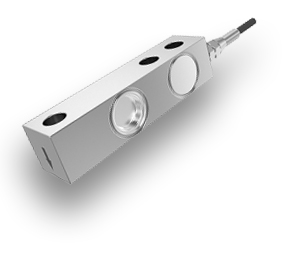 Shear Beam Load Cells
Industry workhorses for medium to high-capacity applications. Single-ended shear beams are commonly used, while double-ended designs handle the most demanding industrial weighing systems and truck scales.
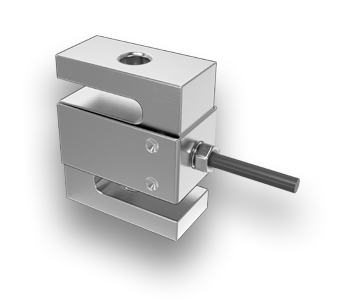 S-Type Load Cells
Suspended load measurement and tension/compression applications. The distinctive S-shape design handles both tensile and compressive forces, essential for hanging scale systems and material testing.
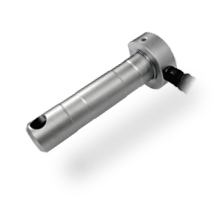 Load Pins
Specialized force sensors integrated into mechanical structures for measuring loads in machinery, lifting equipment, and agricultural applications. Ideal for retrofit installations where space is limited.
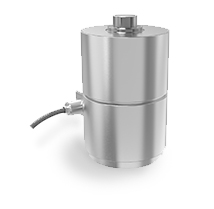 Canister & Compression Cells
Heavy-duty designs for high-capacity compression measurement. Used extensively in material testing, hydraulic systems, and industrial machinery requiring forces up to hundreds of tons.
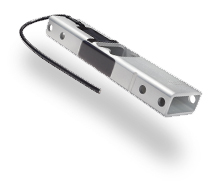 Innovation in Materials: VPG Force Sensors recently introduced vLite™ technology—a revolutionary hollow-beam design using aviation-grade aluminum that reduces weight by approximately 50% compared to traditional solid-beam load cells. This innovation maintains full precision and reliability while enabling easier shipping, storage, and deployment, with particular benefits for portable scales and sustainable manufacturing practices.
Core Features & Industry Solutions
Precision Strain Gauge Technology
Advanced strain gauges bonded to high-quality spring elements provide repeatability and accuracy within 0.1% of rated capacity across extreme temperature ranges.
Wide Capacity Range
Load cells from 5 kg to 500+ tons. Whether measuring delicate pharmaceutical products or supporting heavy industrial processes, we have the right force transducer for your application.
Multiple Material Options
Stainless steel for corrosive environments, aluminum for weight-critical applications, and specialized alloys for hazardous area compliance and extreme temperature operation.
Integrated Digital Solutions
Complement load cells with VPG's intuitive digital indicators and weighing electronics. From portable displays to advanced data acquisition systems, we provide end-to-end force measurement platforms.
Fast Delivery & Online Shop
Standard load cells available for immediate purchase through our U.S. online shop with delivery within days. Expert technical support included with every purchase.
Custom Engineering Services
No two applications are identical. Our engineering team develops custom load cells and force measurement systems tailored to your exact specifications and environmental requirements.
Industry Applications & Real-World Solutions
VPG Force Sensors power critical measurement systems across multiple industries worldwide. See how our load cells and force transducers deliver accurate, reliable performance in real-world applications:
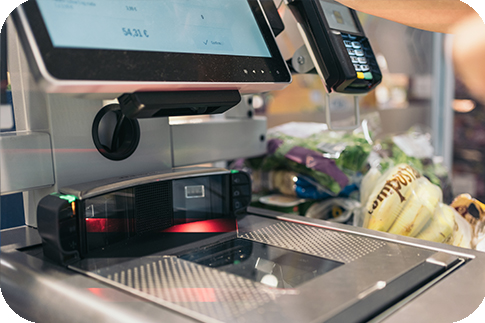
Retail & Industrial Scales
Single-point load cells in checkout scales, shipping systems, and industrial weighing platforms ensure accurate billing, inventory management, and compliance with weights and measures regulations.
Vehicle Weighing & Axle Load
Shear beam and load pin designs in truck scales, on-board weighing systems, and agricultural vehicles prevent overloading, ensure road safety, and optimize payload efficiency across logistics operations.
Medical & Healthcare
Precision load cells in hospital beds, infusion pumps, patient lifts, and diagnostic equipment ensure accurate measurements critical for patient care, safety, and regulatory compliance.
Agriculture & Food Processing
Load pins and platform scales in harvesters, feed systems, and sorting equipment ensure precise measurement throughout the supply chain, from farm to processing facility to consumer.
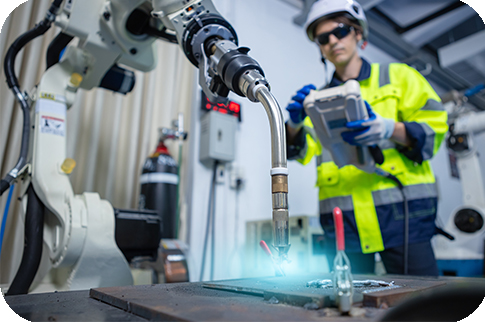
Manufacturing & Machinery
Force transducers in presses, automation systems, tension controls, and quality assurance equipment deliver real-time feedback for process optimization and machinery protection.
Material Testing & R&D
High-performance load cells in universal test machines, materials labs, and research facilities provide the precision and reliability required for developing new products and validating performance claims.
Common Questions About Force Measurement
What's the difference between compression and tension measurements?
Compression load cells measure pushing forces (weight pressing down), while tension load cells measure pulling forces. S-type and load pin designs handle both compression and tension. Single-point and shear beam cells typically handle compression; application-specific designs are required for tension.
How does temperature affect load cell accuracy?
Strain gauges and spring elements respond to temperature changes. VPG load cells are engineered with temperature compensation and operate reliably across specified ranges. For extreme temperatures, consult our engineering team about specialized materials and calibration approaches.
What is rated capacity and why does it matter?
Rated capacity is the maximum safe load a cell can measure. Operating near rated capacity ensures maximum sensitivity and accuracy. Overloading damages the spring element and degrades accuracy. Always select a load cell with capacity matched to your application's maximum expected load.
How are load cells calibrated and maintained?
Load cells are factory-calibrated to traceable standards. Regular calibration verification (annually or per application requirements) ensures ongoing accuracy. Clean connections, protect from mechanical shock, and follow installation guidelines to maximize service life and measurement reliability.
Can load cells be used in hazardous environments?
Yes. VPG manufactures load cells specifically designed for hazardous areas—stainless steel construction, sealed connectors, and compliance with ATEX and other international standards. Consult our team to ensure compliance with your regulatory requirements.
What's included with a load cell purchase?
Standard deliverables include calibration certificate, technical documentation, and connection diagrams. All products from our online shop include 24-month warranty and access to our technical support team for installation and configuration guidance.
Get Expert Guidance for Your Application
Finding the right load cell for your system requires careful consideration of capacity, accuracy, environment, and installation factors. Our experienced engineers are ready to help you choose the optimal solution.