




Load Cell Calibrators
Portable & Benchtop Testing Solutions for Measurement Accuracy
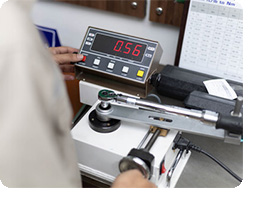 Why Load Cell Calibration Is Critical
Load cells are at the heart of every weighing and force measurement system, but all sensors experience drift and degradation over time. Temperature fluctuations, vibration, mechanical stress, and electrical interference cause measurement errors that grow larger with continued use.
VPG Force Sensors calibrators enable you to verify load cell accuracy, identify measurement drift before it becomes critical, and maintain regulatory compliance with documented, traceable calibration.

What is Load Cell Calibration?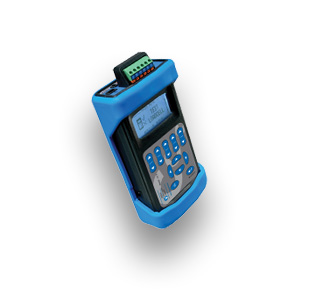
Load cell calibration is the process of verifying and adjusting the measurement accuracy of a load cell by comparing its electrical output to known reference standards. The goal is to ensure that the load cell provides precise and reliable readings, which is essential in applications such as industrial weighing, material testing, and quality control. During calibration, precise weights or forces are applied in incremental steps, and the resulting output is recorded and analyzed. This process allows any discrepancies to be identified and corrected, ensuring that the load cell meets the required accuracy specifications and performs consistently over time.
Common calibration methods:
- Deadweight Calibration: Certified weights directly applied. Gold standard for accuracy.
- Hydraulic Force Calibration: Precision hydraulic systems apply controlled forces. Ideal for high-capacity sensors.
- Electrical Simulation: Known electrical signals verify response. Useful for routine field verification.
Core Features & Capabilities
|
Feature |
Benefit |
|
Multi-Function Testing |
Measure, simulate, test, and verify—all in one instrument |
|
Portable Design |
Field calibration without removing equipment from service |
|
High Precision Measurement |
MicroVolt resolution for detecting subtle performance changes |
|
ISO 376 & NIST Traceability |
Full documentation supports ISO 9000 compliance |
Why Should I Calibrate My Load Cells?
Calibration is essential to ensure accuracy, as all sensors drift over time and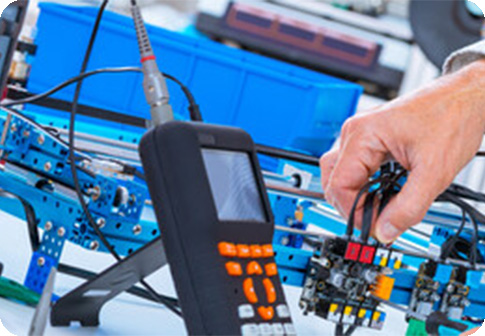 uncorrected errors can accumulate to 5–10% or more. Regular calibration also supports regulatory compliance, since ISO 9000
and other industry standards require documented evidence of calibration. In addition, accurate measurements
help prevent costly errors such as product defects, recalls, and unplanned downtime. Calibration also extends equipment life by enabling early detection of issues, allowing preventive maintenance and reducing the risk of unexpected failures.
Recommended Calibration Schedule
The recommended calibration frequency depends on the application.
- High-volume production: Quarterly or monthly
- Legal-for-trade scales: Annual recalibration
- Continuous-duty systems: Annual calibration
- Safety-critical applications: Semi-annual or quarterly
Industry Applications

Manufacturing & Quality Control
Portable calibrators enable quarterly or monthly verification checks on production equipment without moving scales to service facilities.

Vehicle & Onboard Weighing
Field-portable calibrators verify scale accuracy without removing vehicles from service. Conduct quarterly recalibration checks with traceable documentation.

Laboratory & Research Testing
Benchtop calibrators provide high-precision verification with ISO 376 traceable documentation for research validation and regulatory submissions.

Pharmaceutical & Food Processing
GMP and FDA require documented measurement system accuracy. VPG calibrators provide audit-ready documentation for batch tracking and quality assurance.
Get Expert Guidance for Your Application
Finding the right load cell for your system requires careful consideration of capacity, accuracy, environment, and installation factors. Our experienced engineers are ready to help you choose the optimal solution.




Need a specialized design? Our engineers create custom load cells tailored to your application requirements.