




Damped Load Cells
Damped Load Cells: Advanced Force Measurement Solutions for Dynamic Weighing Applications
 VPG Force Sensors' damped load cells deliver superior performance in dynamic weighing environments where vibration, shock loading, and rapid weight changes compromise measurement accuracy. These precision force sensors incorporate specialized fluid damping mechanisms that minimize oscillation and significantly reduce settling time, enabling faster weighing cycles without sacrificing accuracy. Ideal for multiheaded weighers, checkweighers, rotary filling machines, vehicle weighing systems, and industrial process control applications, VPG damped load cell technology provides the stability and reliability required across packaging, manufacturing, food processing, and transportation industries where conventional load cells fail to meet the demands of high-speed production and challenging environmental conditions.

Engineered for Dynamic Weighing Performance
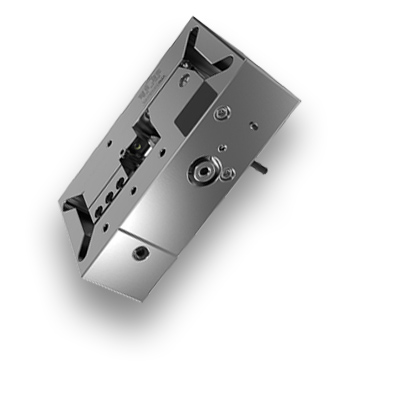 In high-speed production lines, vehicle weighing systems, and industrial environments with constant vibration, standard load cells produce unstable readings and extended settling times that compromise accuracy and reduce throughput. VPG Force Sensors' damped load cells utilize specialized fluid damping mechanisms to minimize oscillation, dramatically reduce settling time, and maintain measurement precision—even under the most challenging dynamic conditions. By incorporating viscous damping directly into the load cell design, we deliver superior performance that translates to increased productivity and reduced operational costs.
Superior Vibration Control
- Internal fluid damping absorbs shock and vibration
- Eliminates signal oscillation and noise
- Stable readings in high-vibration environments
- Reduces mechanical stress on sensing elements
Fast Settling Performance
- Settling times up to 50% faster than undamped cells
- Increased weighing speeds for higher throughput
- Immediate stable readings after load application
- Ideal for high-speed checkweighing operations
Extended Service Life
- Reduced component fatigue from vibration damping
- Protected strain gauges for long-term reliability
- Built-in shock-loading resistance
- Robust alloy or stainless-steel construction
How Fluid Damping Technology Works
Our damped load cells incorporate a precision-engineered viscous fluid chamber that surrounds the internal sensing element. When force is applied, the fluid absorbs vibrations and shock loads through viscous resistance, effectively dissipating kinetic energy that would otherwise cause the strain gauges to oscillate. This real-time damping action allows the strain gauges to provide stable, accurate measurements without the prolonged oscillation characteristic of undamped sensors.
The damping coefficient is carefully calibrated during manufacturing to achieve optimal performance across the load cell's operating range. Unlike mechanical damping solutions that can wear over time, our sealed fluid chamber maintains consistent damping characteristics throughout the sensor's service life, ensuring reliable performance across diverse industrial environments.
Industry Applications: Solving Real Vibration Challenges
Vehicle Weighing Systems
On-board weighing, axle scales, and wheel load measurement where vehicle movement and road vibrations demand rapid, stable readings. Essential for fleet management and logistics applications where accurate weight data must be captured quickly despite constant motion.
High-Speed Checkweighing
Quality control lines requiring fast, accurate weight verification of moving products—from pharmaceuticals to food packaging. Our damped load cells enable manufacturers to achieve higher speeds without sacrificing accuracy, directly improving OEE.
Process Control & Batching
Automated filling machines, mixer scales, and process weighing systems in environments with nearby machinery causing vibration interference. Damped load cells provide stable readings for precise recipe control and consistent product quality.

Conveyor Weighing
In-motion weighing on production conveyors where belt movement, product impact, and mechanical vibrations require damped sensors. Our load cells deliver the signal stability necessary for reliable weighing without interrupting material flow.
Additional applications include: Rotary filling machines, form-fill-seal equipment, pharmaceutical filling, ready-mix concrete batching, agricultural machinery, material handling systems, crane monitoring, and any dynamic weighing application requiring fast response and vibration immunity.
Damped vs. Undamped Load Cells: Performance Comparison
|
Factor |
Damped Load Cells |
Undamped Load Cells |
|
Settling Time |
Rapid stabilization for high-speed weighing |
Slower response with extended oscillation |
|
Vibration Immunity |
Excellent—fluid absorbs shock and vibration |
Susceptible to environmental vibrations |
|
Signal Stability |
Minimal noise and fluctuation |
Noisy signal in dynamic conditions |
|
Weighing Speed |
High throughput—fast measurements |
Limited by settling time requirements |
|
Best Applications |
Dynamic weighing, vehicle scales, checkweighers |
Static weighing in stable environments |
Why VPG Force Sensors for Damped Load Cells?
 VPG Force Sensors' Tedea-Huntleigh brand has pioneered damped load cell technology for decades, delivering proven solutions to manufacturers worldwide. Our fluid-damped designs combine precision strain gauge technology with advanced damping mechanisms, backed by rigorous testing and NTEP/OIML approvals. With manufacturing facilities on multiple continents and a global distribution network, we provide the local support and technical expertise that OEM manufacturers and system integrators require.
Every VPG damped load cell undergoes comprehensive testing including temperature cycling, overload testing, and dynamic performance verification before shipment. This commitment to quality assurance means our customers can specify VPG load cells with confidence, knowing each sensor will deliver consistent, reliable performance throughout years of demanding service.
Technical Specifications
- Models: Model 240, Model 9010, Model 1430 (Tedea-Huntleigh)
- Capacities: 2 kg to 50 kg (single-point configurations)
- Material: Alloy steel or stainless-steel construction
- Environmental Protection: Sealed for washdown environments, breather vent options
- Accuracy: NTEP and OIML approved for trade applications
- Operating Temperature: -18°C to 65°C
- Cable: Standard 3m cable, screened and sealed
- Overload Protection: Shock-loading resistance built-in
- Settling Time: Optimized for high-speed weighing and fast settling
Quantifiable Benefits: Return on Investment
While damped load cells may represent a higher initial investment compared to standard sensors, the operational benefits deliver rapid ROI through multiple channels:
Increased Throughput
Faster settling times translate directly to higher production speeds. A reduction from 2-second to 1-second settling time can increase checkweighing throughput by up to 50%, potentially adding thousands of units per shift to production capacity without additional equipment investment.
Reduced Waste & Rework
Stable measurements eliminate false rejects and overfill situations. In a pharmaceutical packaging line processing 10,000 units per shift, reducing false rejects from 2% to 0.5% saves 150 units daily—yielding significant material cost savings and improved customer satisfaction.
Lower Maintenance Costs
Extended sensor life and reduced mechanical stress mean fewer replacements and less downtime. Damped load cells typically last 2-3x longer than undamped sensors in high-vibration applications, reducing total cost of ownership and minimizing production interruptions for sensor replacement.
For high-volume operations, these benefits compound daily. Organizations report significant reductions in cycle time and improvements in accuracy, eliminating costly errors while increasing production capacity.
Optimize Your Dynamic Weighing Systems
 Ready to eliminate vibration interference and increase throughput?
VPG Force Sensors' damped load cells deliver the stability and speed your operations require.
Get Expert Guidance for Your Application
Finding the right load cell for your system requires careful consideration of capacity, accuracy, environment, and installation factors. Our experienced engineers are ready to help you choose the optimal solution.